
Introduction
The funeral is a crucial moment in all cultures, as it marks the final goodbye to a loved one. In Islamic culture, the rites and traditions associated with the funeral are of great importance and serve as a way of honoring the deceased and providing comfort to loved ones. In this article, we will explore in depth the funeral rites in Islamic culture, offering a detailed view of the practices, beliefs and cultural importance surrounding this event.
History and Background
Funeral rites in Islamic culture have profound historical roots dating back to the times of Prophet Muhammad. The way funerals and rituals associated with death reflect the teachings of Islam and respect for life after death. Since the emergence of Islam in the seventh century, funeral rituals have been an integral part of Muslim religious and cultural practice.
It is important to note that Islamic culture encompasses various traditions and funeral practices due to their geographical and cultural ramifications. However, these rites share a common approach in the preparation of the body, prayers and burial.
Detailed analysis
Funeral rituals in Islamic culture are designed to give comfort to the family of the deceased and honor their memory. During the mourning process, the community plays a key role in providing emotional and practical support to the deceased ' s relatives. Funeral ceremonies are regarded as an opportunity to reflect on the life, death and transition of the soul of the deceased into future life.
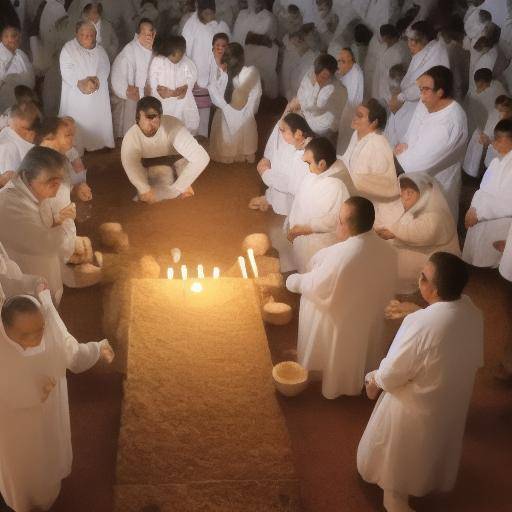
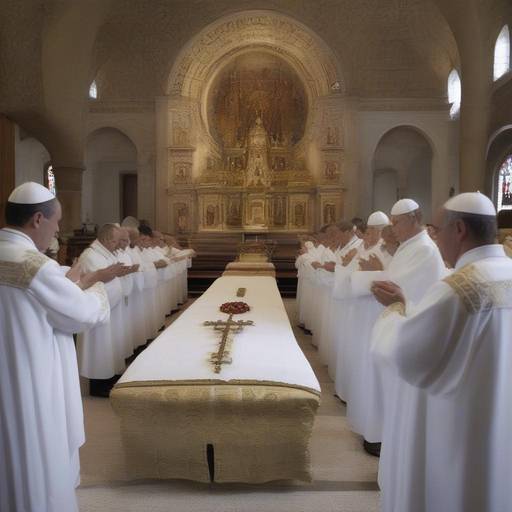
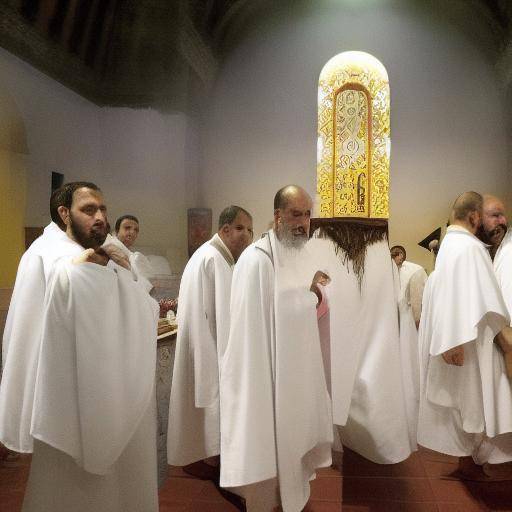
The Islamic approach at the funeral includes the cleaning and washing of the deceased's body, known as "Ghusl", followed by its wrap in a white sweater called "Kafan". A funeral service known as "Salat al-Janazah" is performed, involving a series of specific prayers dedicated to the deceased. The burial of the deceased's body in a Muslim cemetery is an act of great importance and is done promptly after death.
Comprehensive review
Funeral rites in Islamic culture are based on a profound understanding of the purpose of life, death and life after death. For Muslims, the funeral is much more than a commemoration event; it is a constant reminder of the ephemeral nature of earthly life and belief in eternal life in the beyond. Understanding these fundamental concepts informs and shapes Islamic funeral rituals.
Islamic funerals also reflect the principle of equality, as all members of the Muslim community, regardless of their social status or wealth, receive respectful treatment and burial in accordance with Islamic teachings. This equality is evident in the simplicity of funeral rituals and practices, which focus on the devotion of believers to Allah and their acceptance of divine will in moments of loss.
Comparative analysis
Comparatively, funeral rituals in Islamic culture differ greatly from the practices of other cultures and religions. Instead of an approach to exhibition or luxury, Islamic funeral rituals focus on the simplicity, humility and veneration of the memory of the deceased. While some cultures may opt for elaborate commemorative services and ornamental markers, the Islamic approach emphasizes sincere remembrance and prayer for the deceased.
In addition, the concept of life after death, or "Al-Ajira", guides funeral beliefs and rituals in Islamic culture, offering comfort to loved ones and focusing on the careful preparation of the deceased for his future life. While some funeral rituals in other cultures may have an approach to the celebration of the life of the deceased, Islamic rites focus on spiritual preparation and the transit of the soul towards the next stage of existence.
Practical Tips and Accessible Orientation
If you are in a position to support a Muslim family that is going through a duel, it is important to offer your presence and solidarity. Here are some practical tips to provide support during an Islamic funeral:
- Offer your help with practical tasks, such as preparing food or caring for children, to allow the family to focus on their grief.
- Consider attending the funeral and show respect for Islamic practices and rituals, such as covering your head if required.
- Provide your condolences respectfully and avoid intrusive questions about loss.
- If you are not sure what to do or say, simply be present and offer your support with compassion and respect is of great value.
Conclusions and FAQs (FAQs)
Conclusion
Funeral rituals in Islamic culture encapsulate deep devotion and care for the deceased, as well as a clear approach to religious tradition and teachings. Through ritual cleansing of the body, prescribed prayers and early burial, Muslims seek to honor and respect the life of the deceased while helping him to undertake his journey in the beyond. These rituals not only give comfort to the afflicted, but also emphasize equality and simplicity at the time of the farewell.
The understanding of funeral rituals in Islamic culture not only enriches our understanding of this faith, but also allows us to appreciate the differences and similarities in funeral rituals around the world.
Frequently asked questions (FAQs)
Why is it important to focus on the speed of burial in Islamic culture?
The speed of burial in Islamic culture is based on the belief that the soul of the deceased must be liberated from the body as soon as possible to embark on its path to future life. This reflects the importance attached to the spiritual preparation and care of the deceased after death.
Why is the washing of the deceased's body such a significant step in Islamic funeral rituals?
The washing of the body of the deceased, known as "Ghusl", is a form of ritual purification that symbolizes the elimination of any physical or spiritual impurity. This step is considered an act of respect and care for the deceased, preparing him for his encounter with Allah and his future life.
What is the importance of the prayer prescribed at the Islamic funeral?
The prescribed prayer, or "Salat al-Janazah", is a way to honor the deceased and ask forgiveness for their sins. It also gives comfort to loved ones, as it offers them the opportunity to show their respect and devotion to the deceased.
Conclusion
In conclusion, funeral rites in Islamic culture are a moving expression of faith, humility and community. Through practices rooted in Islamic tradition, Muslims find comfort, meaning and unity at the time of mourning. From the ritual purification of the deceased to the early burial, each aspect of these rituals reflects the profound devotion to Allah and the loving care of those who come to the future life.
Understanding and respect for these rituals not only enrich our appreciation of Islamic culture, but also invite us to reflect on the importance of simplicity, equality and devotion in the moments of farewell. Ultimately, funeral rituals in Islamic culture embody a deep connection between individualism and the community, offering a unique perspective on the transition from life to death and beyond.
Are there significant differences in Islamic funeral rituals based on the geographical region?
While Islamic funeral rituals share fundamental similarities around the world, it is important to recognize that practices can vary according to cultural and regional influences. For example, certain Muslim communities may have specific traditions in the mourning and burial process that reflect their local cultural roots. However, the core of funeral rituals, such as ritual washing of the body, prescribed prayers and early burial, remains a constant in Islamic culture.
What is the importance of the community during funeral rituals in Islamic culture?
The presence and support of the community are essential elements during funeral rituals in Islamic culture. The community provides comfort, emotional support and practical help to the family of the deceased, thus demonstrating the strength of community ties in times of loss. This approach in solidarity and mutual support during funerals reflects the central values of Islamic culture, such as compassion, generosity and concern for others.
How has the manner in which funeral rituals are carried out in Islamic culture evolved over time?
Throughout history, Islamic funeral rituals have experienced adaptations and evolutions, partly due to the influence of cultural and technological factors. Although the core of funeral practices remains solid, it is common to observe variations in the way certain aspects of rituals are carried out in the contemporary context. For example, the logistics of the washing of the deceased and the organization of funerals may have undergone changes to adapt to modern demands and urban realities. This evolution reflects the capacity of Islamic culture to merge traditions rooted in contemporary life.
In short, funeral rituals in Islamic culture are a testament to devotion, equality and compassion that form the basis of this faith. By exploring the cultural and spiritual richness of these rituals, we can gain a deeper understanding of the importance of memory, tradition and community in the mourning process.