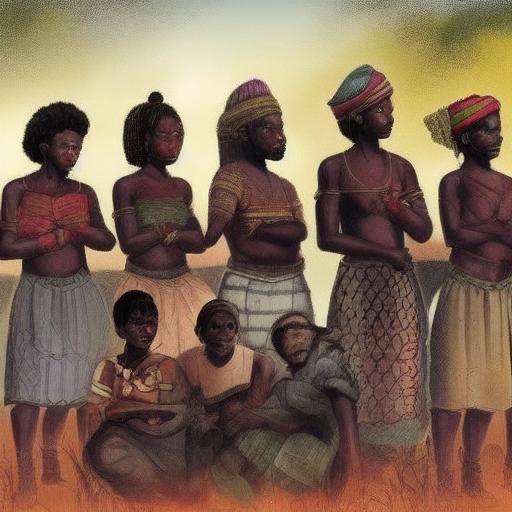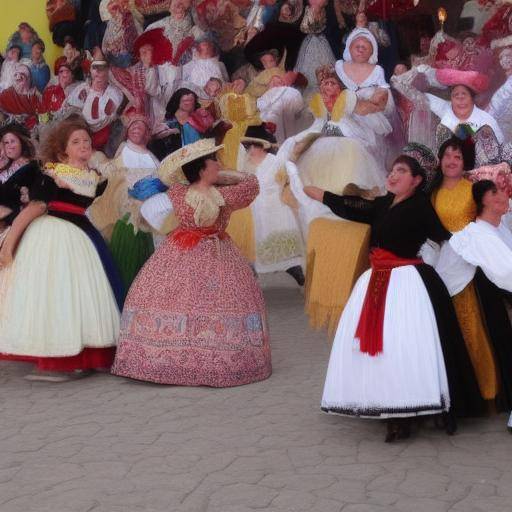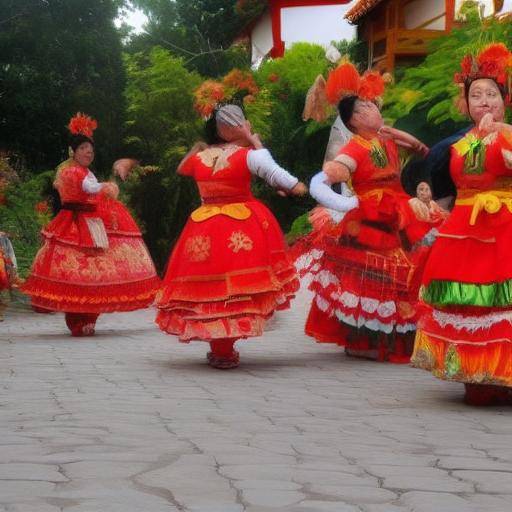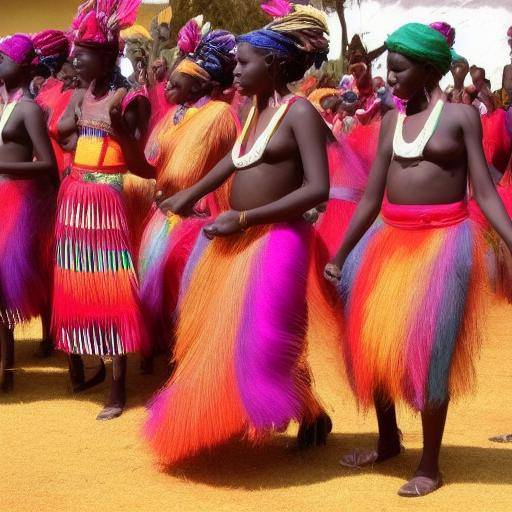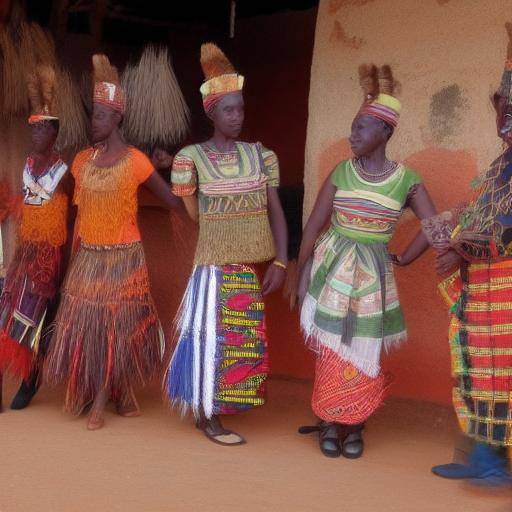

On a remote island in the Indian Ocean, the land of Madagascar hosts a peculiar dance, which at first sight may seem like macabre or sinister: the dance of the dead. However, this unique tradition is a festive celebration that honors the ancestors and the continuous connection between the living and the deceased. In this article, we will explore the rich history, cultural significance and contemporary practices of the dance of the dead in Madagascar. We will discover how this ancient tradition remains a vital part of the social and spiritual fabric of the island, keeping alive the memory of those who have left.
Introduction
The dance of the dead in Madagascar is much more than an artistic expression: it is a tangible link between generations, a reminder of the importance of the family and a tribute to the continuity of life. Through this exploration, readers will gain a deeper understanding of the cultural roots of this ancestral practice and its evolution over time. From its origins to its contemporary relevance, we will unravel the threads of meaning that make up this unique dance, offering an enriching vision of a tradition that has endured through the centuries.
History and Background
The dance of the dead in Madagascar has its roots in the ancient religious beliefs and practices of the Malagasy people. Since time immemorial, it has been celebrated as a tribute to the ancestors, an occasion to strengthen family and community ties, and a means to convey ancestral wisdom to the generations to come. Its history is intertwined with the island's rich cultural heritage, and its evolution over the centuries has witnessed significant changes in response to the challenges and opportunities facing Malagasy society.
In the past, the dance of the dead was carried out in the framework of extensive funeral rituals, where the mourners gathered to pay tribute to their deceased loved ones. These rituals not only served as expressions of mourning, but also as opportunities to celebrate the lives of the deceased and to affirm the continuity of the family and the community. Over the centuries, the dance of the dead has evolved, adapting to social and cultural changes, but always maintaining its central importance as an expression of identity and a connection with the past.
Analysis in Deep
The dance of the dead in Madagascar has played a crucial role in preserving the country's cultural heritage, offering a framework in which traditions, values and history can be transmitted from one generation to another. As Madagascar has experienced significant changes in its socio-political and economic landscape, the dance of the dead has faced challenges but has also found new ways to prosper and evolve.
The benefits of this practice transcend the purely spiritual, as it has become an engine for strengthening community cohesion and fostering a shared sense of identity. Challenges include the preservation of authenticity against external influences, as well as adaptation to a constantly changing modern world. However, the dance of the dead continues to provide an anchor of stability in a constantly evolving world, serving as a tangible reminder of the importance of roots and history.
Comprehensive review
The dance of the dead is not simply a relic of the past, but a current practice that continues to play a vital role in Malagasy society. From community celebrations to family rituals, this dance has found its place in many aspects of everyday life. By offering a means to honor the ancestors and strengthen solidarity among those who remain, the dance of the dead plays a crucial role in the formation of the Malagasy identity. As the challenges of the 21st century drive changes in society, the dance of the dead has remained relevant, developing new forms of expression and adapting to a constantly changing world.
Comparative analysis
By comparing the dance of the dead in Madagascar with the funeral traditions of other countries, a unique image of the world's richness and cultural diversity emerges. While the manifestations of mourning and homage to the deceased can share certain universal elements, each culture brings its distinctive touch to these ceremonies. In the case of Madagascar, the dance of the dead is distinguished by its focus on the celebration of life, its emphasis on family continuity and its deep connection to land and nature.
Practical Tips and Accessible Recommendations
For those interested in immersed in the rich tradition of the dance of the dead in Madagascar, it is crucial to respect and understand the delicacy of this practice. Those who wish to participate in such celebrations should approach with humility and respect for local traditions and beliefs. In addition, learning about the history and cultural significance of the dance of the dead can enrich the experience, providing greater understanding and appreciation for this unique expression of spirituality and human connection.
Industry and Expert Perspectives and Ideas
Several experts in anthropology, ethnography and cultural studies have noted with interest the dance of the dead in Madagascar, recognizing their uniqueness and relevance in the global context. Its analyses offer a valuable perspective on the cultural and social importance of this practice, as well as highlighting its potential as an ongoing area of study. As the field of cultural anthropology progresses, increased attention is being paid to local traditions and beliefs, recognizing the vital importance of these expressions in the global cultural landscape.
Case Studies and Real Life Applications
Concrete examples of how the dance of the dead has permeated the daily life of the Malagasy give a insightful vision of their prominence and meaning. From family practices to the community context, the dance of the dead intertwines in everyday life, offering a platform for expression, connection and memory. These cases illustrate how tradition remains vigorous not only in ceremonial spaces, but also in daily interactions, fueling cohesion and cultural continuity.
Future Trends and Predictions
As the globalized world interacts with local traditions, it is inevitable that the dance of the dead will continue to evolve and adapt. External influences, cultural innovation and changes in the social structure will continue to influence this ancestral practice. However, it is expected that the essence and fundamental meaning of the dance of the dead will remain rooted in the Malagasy identity, offering a solid basis for cultural continuity even in times of accelerated change.
Conclusion
In short, the dance of the dead in Madagascar transcends the mere representation of death and mourning. It is a celebration in honor of life, a tribute to the unbreakable connection between generations and a testimony of the rich history and culture of the island. As we explore its origins, its meaning and its current relevance, we immerse ourselves in a world in which the past and the present converge in an incessant dance of tradition and celebration.
Frequently asked questions
What is the purpose of the dance of the dead in Madagascar?
The dance of the dead in Madagascar aims to honor the ancestors, celebrate family and community continuity, and provide a means to convey ancestral wisdom to future generations.
How has the dance of the dead adapted to modern changes in Madagascar?
The dance of the dead has experienced adaptations in their expression and execution to adapt to modern changes in Madagascar, keeping their relevance and meaning in contemporary society.
What role does the dance of the dead play in the everyday life of the Malagasy?
The dance of the dead permeates the daily life of the Malagasy as an expression of connection with the ancestors, reinforcing family and community ties, and providing a framework for celebrating life.
How do funeral traditions in Madagascar compare with those of other cultures?
Funeral traditions in Madagascar, including the dance of the dead, stand out for their focus on the celebration of life, their emphasis on family continuity and their deep connection to land and nature, offering a unique perspective on the global landscape of funeral practices.
How can one participate respectfully in the dance of the dead in Madagascar?
To participate respectfully in the dance of the dead in Madagascar, it is crucial to approach with humility and respect for local traditions, learn about their history and cultural significance, and to be open to understanding the delicacy of this practice.
What is the cultural and social impact of the dance of the dead in Madagascar?
Dance of the dead plays a crucial role in preserving the cultural heritage of Madagascar, strengthening community cohesion and fostering a shared sense of identity, while providing a tangible reminder of the importance of roots and history.
What are the future trends for the dance of the dead in Madagascar?
The dance of the dead is expected to continue to evolve and adapt, influenced by the globalized world, cultural innovation and social changes, keeping its essence and fundamental meaning rooted in Malagasy identity.
With this immersion in the dance of the dead in Madagascar, we have unveiled the cultural wealth, the spiritual significance and the continued importance of this tradition. From its ancestral origins to its contemporary relevance, the dance of the dead offers a window to the complex intersection between the past and the present in the context of Madagascar. This legacy, marked by celebration and respect for those who preceded us, continues to resonate as a living expression of connection, identity and continuity.
Stayed on an island where traditions and spirituality intertwine the past, the present and the future, the dance of the dead in Madagascar persists as a tangible reminder that, in the midst of the transientness of life, the eternal dance of the family connection and the celebration of life is rooted.